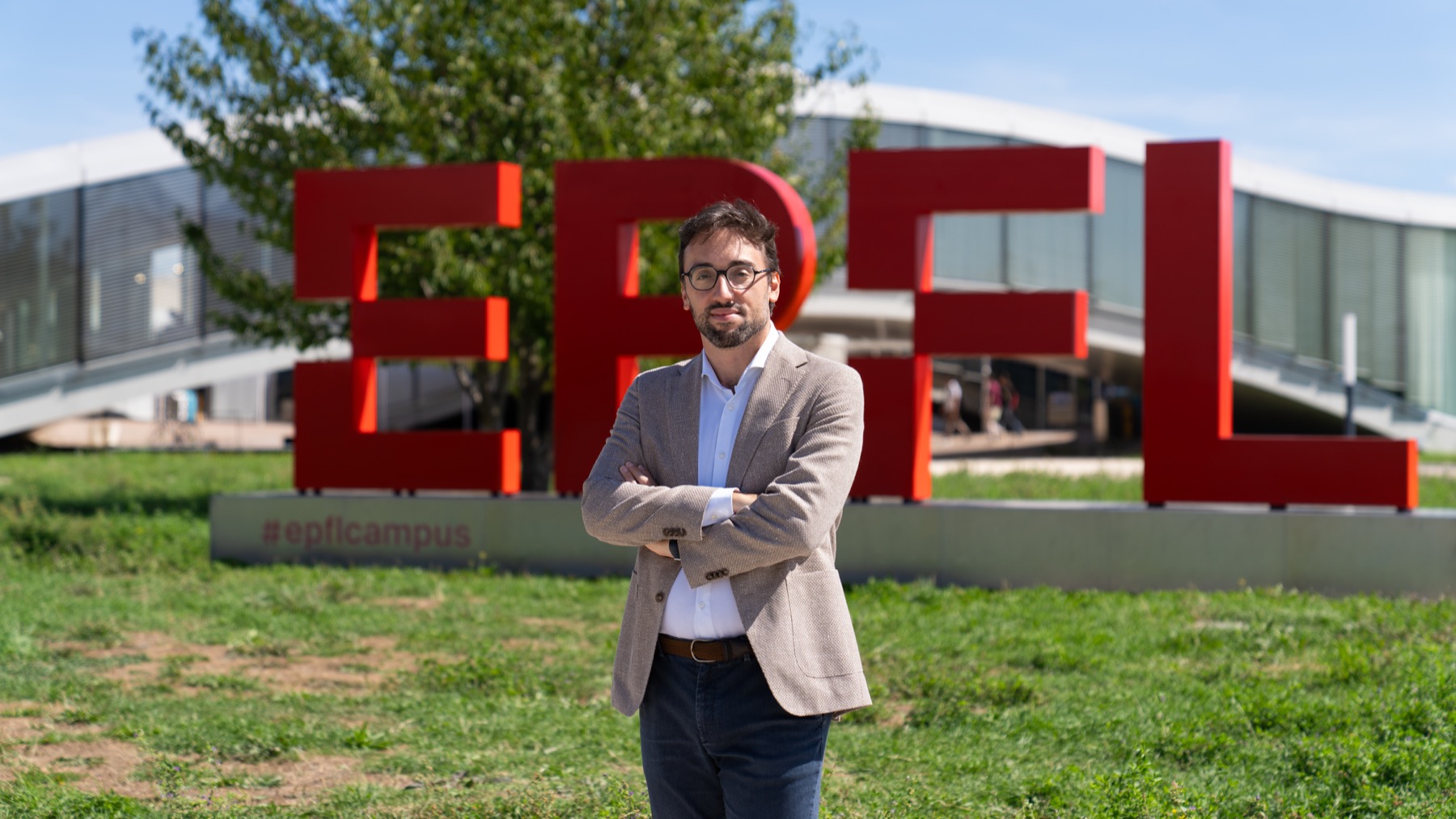
Gioele La Manno has been named a Clarivate Highly Cited Researcher in the Cross-Field category for 2026, his third consecutive inclusion following 2024 and 2025. His primary affiliation on the list is EPFL.
Announced on 18 November, this year’s list recognises 6,802 researchers across more than 1,200 institutions in 62 countries and regions. Clarivate awarded 7,090 recognitions, including 3,251 in the Cross-Field category. The distinction between researchers and recognitions matters: some people appear in more than one subject category. Switzerland accounts for 151 recognitions, placing it eighth worldwide and representing 2.1% of the total.
Selection draws on papers that rank among the most cited 1% for their field and publication year over an eleven-year period. Citation data are assessed alongside expert review and checks on publication and citation patterns. The result recognises sustained influence on subsequent research, rather than the reception of a single recent paper.
For Gioele, the Cross-Field category is a fitting reflection of a research path that connects neuroscience, molecular biology and computational methods. His work asks how the brain’s cellular diversity emerges, while developing ways to measure and interpret that diversity. Contributions range from mapping developing brain cell types and introducing RNA velocity to investigating the spatial organisation of lipids in the brain. These approaches give other researchers tools and reference maps for asking their own biological questions.
At 36, Gioele is the youngest researcher in Switzerland on the 2026 list, receiving the distinction for the third consecutive year since his first inclusion at 34 in 2024. The recognition marks an early milestone in a research programme that continues to grow at EPFL.
For the lab, the significance of the Cross-Field recognition lies in how these contributions travel between disciplines. A computational method developed to investigate brain development can help researchers studying other tissues; a reference atlas can provide a starting point for experiments far beyond the questions that motivated its creation. Making methods, code and data available allows those connections to develop and gives the work a life beyond the original publication.
This third inclusion accompanies a year in which the lab and its collaborators published the Lipid Brain Atlas, extending the study of brain diversity beyond genes and cell types to its molecular composition. It reflects the lab’s continuing interest in bringing complementary measurements together to understand how the brain develops and functions.
Behind the individual name on the list is a collective effort: students, colleagues, mentors and collaborators who have developed methods, generated data and shared ideas. We are grateful to everyone who has contributed, and to the researchers who continue to use and build on this work.
Read the 2026 announcement or explore the official Clarivate Highly Cited Researchers page.